
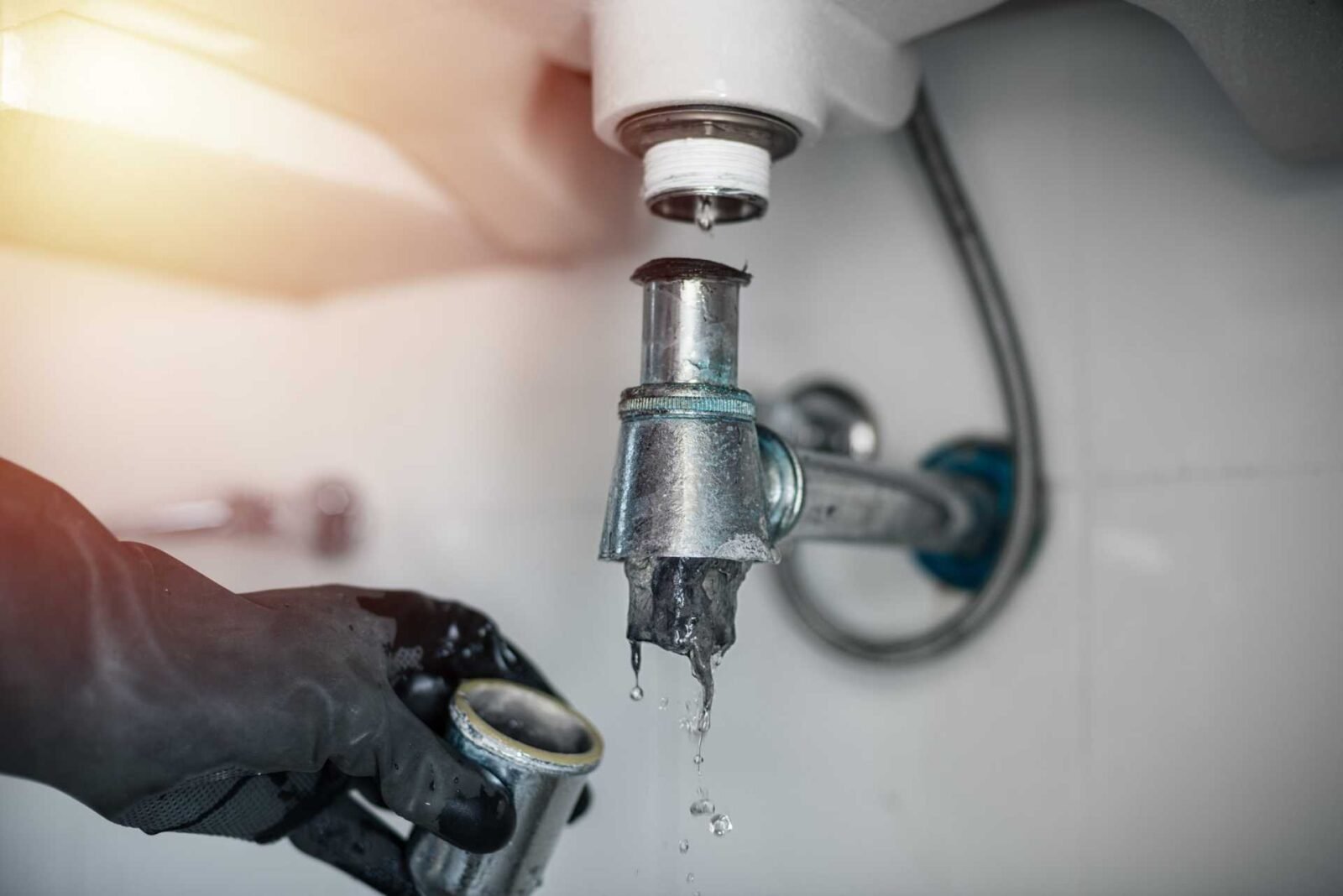
Not every drainage problem needs the same trade or equipment. The location of the restriction, affected fixtures and potential structural damage influence the most appropriate specialist.
People searching for blocked drain plumber should first establish whether the symptoms involve one fixture or a wider drainage run. Reliable diagnosis can prevent unnecessary work and reduce disruption.
A Realistic Example
A kitchen sink drains slowly, but an external inspection chamber also holds standing wastewater. The homeowner seeks drainage expertise rather than assuming the sink trap is solely responsible.
Record What Happened
Keep dates, affected fixtures, photographs where safe, contractor findings and any recommended follow-up. A maintenance log is especially valuable for repeated faults. It helps distinguish a new isolated blockage from an unresolved issue in the same section. Good records also assist landlords and future contractors.
Prevent Kitchen Build-Up
Dispose of cooking oils and fats appropriately rather than pouring them down sinks. Catch food particles with strainers and keep waste-disposal habits consistent across occupants. These steps reduce avoidable deposits but cannot fix a displaced joint or broken pipe. Persistent symptoms deserve investigation.
Improve Bathroom Habits
Do not flush wipes, sanitary products or other unsuitable materials. Hair traps may reduce build-up in baths and showers. Repeated plunging may briefly restore flow without resolving a deeper obstruction. If more than one bathroom fixture is affected, consider the possibility of a shared drainage restriction.
Check Outdoor Gullies
Leaves and soil can obstruct accessible surface drainage channels. Visual checks before heavy rain can identify obvious debris, but recurring flooding may indicate a more serious problem. Do not enter confined spaces or lift heavy covers without appropriate training. A contractor can investigate underground sections safely.
Confirm the Result
After clearance, appropriate flow checks should establish whether the affected fixtures drain normally. Ask whether the technician observed signs of damage or recommends a survey. A clear handover should distinguish completed work from remaining concerns. This information is useful if the same symptoms return.
Plan Proportionate Maintenance
Maintenance should reflect the building’s age, use and incident history. A busy commercial kitchen may face different risks from a lightly used home. Repeated treatment without diagnosis can be costly. Focus on good disposal practices, prompt reporting and targeted inspections when evidence warrants them.
Know When to Escalate
Repeated backups, sewage entering rooms or several fixtures failing at once justify prompt attention. If a line is damaged, the solution may extend beyond basic clearance. Communicate any known risks to occupants and request a written explanation of the next steps. Safety and evidence should guide the response.
Read the Symptoms Carefully
A slow sink alone may indicate a local trap obstruction. If several fixtures gurgle or overflow together, the restriction could lie farther along a shared pipe. Note the sequence of events and which appliances were running when the problem appeared. A short, accurate description is more useful than a confident guess about the cause.
Protect Occupants First
Stop using fixtures that cause wastewater to back up. Keep children, pets and visitors away from contaminated surfaces, and avoid electrical equipment near standing water. Sewage can contain harmful microorganisms, so appropriate hygiene precautions are essential. Where overflow enters occupied areas, seek prompt professional help and arrange safe cleaning.
Understand the Drainage Route
Water travels through traps, branch pipes and larger underground runs before reaching the relevant sewer. Inspection chambers can provide clues about where a restriction lies. In converted properties, layouts may have changed over time. Confirm which sections are shared and who can grant access before planning intrusive work.
Recognise Common Causes
Fats, food scraps and unsuitable flushed items can accumulate inside pipes. Outdoor sections may collect silt, roots or debris. Misaligned joints and damaged pipe walls can repeatedly trap material. The outward symptom does not reveal which cause applies, so choosing a repair method without assessment risks wasting time and money.
Avoid Risky DIY Methods
Cleaning a readily accessible strainer may be reasonable, but improvised rods can damage pipes and push obstructions farther away. Never mix chemical drain cleaners. Repeated chemicals can create handling hazards for occupants and technicians. If the problem affects multiple fixtures or returns, a trained professional is better placed to investigate.
Use Inspection Chambers Sensibly
Accessible chambers can help identify the direction of flow and whether water is standing in a section. Heavy covers and confined drainage spaces present hazards and should not be entered by untrained people. A contractor can use suitable access points to narrow the location of a restriction while avoiding unnecessary disturbance to finishes.
Ask About the Diagnosis
A useful visit begins with questions about symptoms, previous work and the layout of the property. Flow checks and accessible inspection points may reveal the likely location. A technician should explain which findings are confirmed and which remain uncertain. This distinction matters when deciding whether additional investigation is justified.
Compare Clearance Techniques
Mechanical tools may remove certain obstructions, while high-pressure water jetting can be appropriate for some grease or silt deposits. Equipment choice depends on access, pipe material and condition. Neither method repairs a cracked or collapsed line. Ask why the selected technique suits the observed problem rather than assuming the strongest tool is best.
Know When CCTV Helps
Camera surveys can reveal displaced joints, root intrusion, cracks and other conditions hidden underground. They are particularly useful when problems recur or structural damage is suspected. Footage still requires professional interpretation: a visible irregularity is not automatically the cause of a blockage. Request a clear explanation of the findings.
Separate Clearance From Repair
Clearing accumulated material may restore flow immediately. Structural repair addresses a verified defect that can continue to catch debris or leak. Some problems require both stages, while others need only clearance. A contractor should present the evidence for any recommended excavation, lining or replacement and explain the likely disruption.
Consider Shared Responsibilities
A drainage line may serve several flats, houses or commercial units. The location of an overflow does not always establish responsibility for the blocked section. Inform landlords or managing agents where relevant, and coordinate access with other occupiers. Clear communication helps prevent repeated water use while work is underway.
Review the Quotation
Ask what the price includes: attendance, inspection, clearance, flow testing and reporting may be separate items. Additional camera work or structural repairs can change the scope. Unexpected defects should be explained before significant extra work is authorised. Written terms make it easier to compare options fairly.
Selecting Appropriate Assistance
When considering Quick Clear Drainage blocked drain experts, ask what investigation is planned, which clearing methods are appropriate and how the result will be checked. Clear documentation and realistic explanations matter more than unsupported guarantees.
Final Thoughts
A well-managed drainage problem combines immediate safety, an evidence-based diagnosis and practical prevention. If blockages return, investigate the underlying cause instead of repeating temporary treatment.