
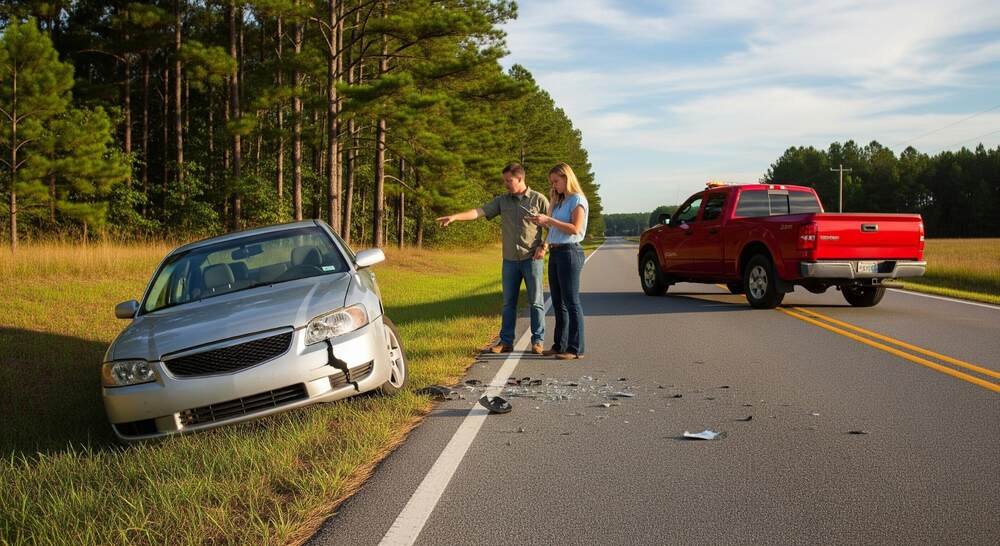
A car accident claim rarely moves forward based on one fact alone. Insurance coverage, disputed responsibility, injury documentation, lost income, and the strength of the available evidence can all influence how an insurer evaluates a claim and how long the process takes.
Coverage questions often create the first major delay. An insurer may need to confirm which policies apply, whether the driver had permission to use the vehicle, whether multiple vehicles share responsibility, or whether additional coverage is available. For someone dealing with a crash in Charlotte, an auto accident liability attorney can review these issues and explain how they may affect the path forward.
Attorney Matthew Fleishman puts the issue simply: “Claim value depends on the evidence, the available coverage, and the facts that can be proven.” Two people with similar injuries may have very different claim experiences because their insurance policies, employment losses, accident evidence, and liability disputes are not the same.
Article Brief
The factors affecting injury claim value extend beyond the cost of immediate care. Insurers generally examine the full record, including how the collision happened, what losses can be documented, whether the injuries disrupted daily life, and how much insurance coverage is available.
Coverage disputes can delay an insurer’s evaluation.
- Clear records help connect financial losses to the collision.
- Disputed fault can affect both timing and negotiating positions.
- Policy limits may restrict the amount available from one insurer.
- Consistent evidence can make a claim easier to understand and assess.
How Coverage Questions Change the Pace and Scope of a Claim
Insurance coverage determines where compensation may come from, but identifying the correct policy is not always straightforward. A crash involving a personally owned vehicle may present a simpler coverage question than one involving a company car, borrowed vehicle, rideshare driver, rental car, or household member. When several policies may apply, each insurer can conduct its own review before accepting responsibility.
An auto injury lawyer may examine policy information, vehicle ownership records, driver relationships, and the purpose of the trip at the time of the crash. These details can reveal whether the driver’s personal policy is the only potential source of coverage or whether an employer, vehicle owner, or other insurer may also be involved.
Policy limits are another practical consideration. A claim can involve substantial documented losses while the responsible driver carries only limited liability coverage. In that situation, the value supported by the evidence and the amount realistically available from one policy may be different. Uninsured or underinsured motorist coverage may become relevant, depending on the policies and circumstances involved.
Disagreements can also arise over whether a policy was active on the collision date. An insurer might investigate a recent cancellation, a missed payment, an excluded driver, or a difference between the vehicle’s listed use and its actual use. These questions do not automatically determine the result, but they can slow the process while policy documents and other records are reviewed.
Consider a Charlotte resident struck by a delivery vehicle near a growing mixed-use development. Construction activity has changed traffic patterns, several businesses share access points, and the delivery driver was using a vehicle owned by someone else. The driver’s personal insurer may question whether commercial activity falls within the policy, while the delivery company may dispute whether the driver was working at that moment. Even when the collision facts appear clear, determining which policy applies can take time.
Charlotte’s continuing growth can make these situations more common. New construction, changing intersections, heavier traffic, and increased commercial delivery activity can add vehicles and business relationships to a single event. A collision on a neighborhood street may therefore involve more complicated coverage questions than the physical location initially suggests.
The source and amount of coverage do not describe every part of a claim, but they establish important practical boundaries. Before meaningful negotiations can occur, the parties often need a reasonably clear understanding of who was insured, which policies apply, and whether more than one source of recovery should be considered.
How Evidence and Disputed Fault Shape the Outcome
Once coverage is identified, the quality of the evidence often becomes central to the evaluation. Insurers compare accident reports, photographs, witness accounts, vehicle damage, billing records, wage information, and statements from the people involved. Evidence that fits together clearly can make the claimed losses easier to assess, while missing or conflicting information may create questions that require further investigation.
Responsibility for the crash can become a major point of disagreement. One driver may say the other vehicle entered the lane unexpectedly, while the other may claim there was enough time and distance to respond. A police report can provide an important independent record, but insurers may also consider photographs, video recordings, physical damage, witness statements, and applicable traffic rules.
Small factual differences can have a large effect. The location of vehicle damage may support one version of events more strongly than another. A nearby security camera may show the traffic signal or the movement of the vehicles. A witness who had a clear view may help resolve a disagreement that cannot be settled from the drivers’ statements alone.
Insurance companies also review whether the injuries and financial losses are connected to the collision. Records may show when symptoms were reported, what services were provided, how long care continued, and whether work restrictions affected earnings. This is not simply a review of bills. The insurer may examine whether the overall timeline is consistent with the account being presented.
Lost income requires its own supporting information. A missed paycheck may be documented through wage statements, work schedules, tax records, or information from an employer. For a self-employed person, the analysis may involve invoices, contracts, prior earnings, and evidence of work that could not be completed. The more complicated the employment arrangement, the more explanation an insurer may request.
Daily limitations can also matter when they are supported by reliable information. A collision may interfere with household responsibilities, transportation, family activities, or the ability to complete ordinary work tasks. General statements can be difficult to evaluate, while specific examples tied to dates, records, and consistent accounts usually provide more useful context.
Several practical issues commonly affect an insurer’s assessment:
- The clarity of evidence showing how the collision occurred
- The consistency of records connecting injuries and losses to the event
- The amount and duration of documented lost income
- The presence of prior conditions or earlier incidents raised by the insurer
- The available policy limits and number of potentially responsible parties
Prior injuries do not automatically prevent a person from bringing a claim, but they can create an additional dispute. An insurer may argue that certain symptoms existed before the crash or were caused by something unrelated. Earlier records and later records may need to be compared so the parties can distinguish an existing issue from changes associated with the collision.
Timing can further influence how these disagreements develop. Evidence may become harder to locate as time passes. Video can be overwritten, witnesses can forget details, and vehicles may be repaired or sold. Delays can also create gaps in the written record that an insurer may question, even when there is an understandable explanation.
No single document determines every claim. A strong evaluation usually comes from the combined picture created by accident evidence, insurance information, financial records, and a clear timeline. When those pieces support one another, the claim is less dependent on assumptions or competing recollections.
Getting Clear Answers About an Uncertain Claim
Questions often remain even after an insurance adjuster begins reviewing a case. A person may not know whether the available coverage is sufficient, why an insurer is requesting certain records, or how a dispute over fault may affect negotiations. Those uncertainties can make it difficult to judge whether the claim is progressing normally or has reached a genuine obstacle.
Rosensteel Fleishman Car Accident & Injury Lawyers can review the collision facts, available policies, documented losses, and insurer communications. Corey Rosensteel and Matthew Fleishman can also help identify unanswered coverage questions or evidentiary gaps that may influence the evaluation. A consultation can provide context without requiring someone to rely solely on an insurer’s explanation of the process.
The financial stakes may extend beyond current bills. Time away from work, vehicle expenses, future claim-related costs, and unresolved coverage disputes can place continuing pressure on a household. Understanding what the evidence supports and what insurance may be available gives a person a more realistic foundation for making decisions.
Every claim turns on its own facts. Clear documentation, a careful review of coverage, and a grounded understanding of disputed issues can help separate reasonable questions from avoidable uncertainty. Anyone who wants to discuss a Charlotte collision can contact Rosensteel Fleishman at 1-704-714-1450 for a free case consultation and a clearer explanation of the available next steps
