
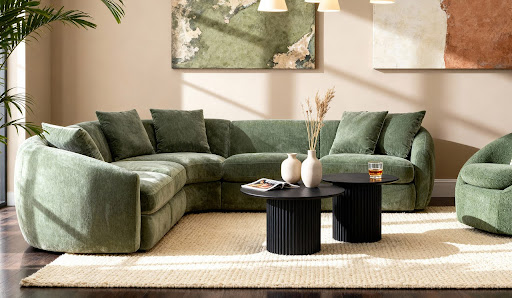
A lounge is more than “just a room.” It’s the emotional centre of the home. It’s where you collapse after a long workday, where the kids sprawl out with snacks during movie night, where friends gather for a drink, and where you quietly recharge on weekends. Because it gets used so often, your lounge needs to be comfortable, practical, and easy to live without sacrificing style.
Whether you’re furnishing a brand-new home, upgrading a tired setup, or simply trying to make your space feel more “you,” this guide will help you choose lounge furniture that fits how live today: open-plan homes, busy schedules, pets and kids, entertaining, and a love of relaxed, welcoming interiors.
Why Your Lounge Matters More Than You Think
Your lounge influences your daily routine more than almost any other room. A well-designed lounge can make your home feel calmer, more spacious, and more enjoyable. A poor setup can make even a beautiful house feel cramped, messy, and uncomfortable.
For couples, families, and share-houses, a good lounge should offer:
- A cosy spot to unwind after work
- Enough seating for family time, guests, and special occasions
- A layout that flows (especially in open-plan homes)
- Durable pieces that handle real life (kids, pets, spills, and sun)
- Smart storage to reduce clutter and keep the room feeling light
When your lounge works properly, it reduces stress. You spend less time “fixing the space” and more time enjoying it.
Step 1: Start With Your Space (Before You Shop)
Before choosing furniture, take a few minutes to understand what you’re working with.
Measure the room properly
Grab a tape measure and write down:
- Wall lengths
- Doorways and hallways (to ensure furniture fits through)
- Window locations
- Power points (especially for TV and lamps)
Tip: Use painter’s tape on the floor to mark the size of a sofa or coffee table. It’s an easy way to test what will feel too big or too small.
Consider how people move through the room
A lounge should feel effortless to use. Aim to keep walkways clear:
- Leave at least 80–90 cm for main walking paths where possible
- Avoid placing big furniture where it blocks entryways or door swings
- In open-plan homes, use furniture to define the lounge “zone” without closing it off
Step 2: Choose Furniture That Matches Your Lifestyle
The “perfect lounge” isn’t one-size-fits-all. The best choices depend on how you live.
Ask yourself:
- Do you host often, or is it mainly for family use?
- Do you watch TV every night, or do you prefer conversation and reading?
- Do you have pets or kids (or both)?
- Do you need extra storage for toys, blankets, board games, or devices?
- Do you eat snacks in the lounge (be honest, most of us do)?
When you’re clear on your lifestyle, your furniture decisions become much easier.
Step 3: The Sofa Is the Hero (Choose It First)
Your sofa sets the tone for the whole space. It’s the biggest, most-used item, so it’s worth choosing carefully.
1) Pick the right sofa type
Modular and corner lounges
Perfect for open-plan living, families, and entertainers. They provide lots of seating and can often be reconfigured as life changes.
2-seater and 3-seater sofas
Great for apartments, smaller homes, or minimalist layouts. Pair with an accent chair if you need extra seating.
Chaise lounges
Ideal for stretching out. A chaise can also help define the lounge area in an open space.
Recliners
Best for maximum comfort, reading, and weekend naps. Look for a supportive back design and smooth reclining mechanisms.
2) Choose a size that suits your room
A sofa that’s too large will swallow the space. Too small and it may feel underwhelming or impractical. Try to balance:
- Seating needs
- Open walkways
- Room for tables, lighting, and storage
3) Select a fabric that suits Australian living
Australian homes often deal with heat, humidity, and strong sunlight. Consider:
- Performance fabrics (easy-clean, stain-resistant)
- Textured weaves that hide everyday wear
- Leather or faux leather for easy wipe-down (great for spills, but can feel warm in summer)
- Lighter colours if you want a breezy feel, just balance with practical stain resistance
Pro tip: If your lounge gets a lot of sun, ask about fabric fading resistance and consider blinds or sheers to protect your sofa.
4) Comfort matters as much as style
A beautiful sofa that isn’t comfortable won’t get used. Test for:
- Cushion firmness (soft, medium, firm)
- Seat depth (deep for lounging, standard for upright sitting)
- Back support (especially important if you work from the lounge sometimes)
Step 4: Build a Layout That Feels Easy
A good lounge layout should feel natural, not forced.
Common lounge layouts that work well
- Sofa facing TV + two chairs (balanced, social, flexible)
- L-shaped modular + single accent chair (family-friendly, spacious feel)
- Two sofas facing each other (great for conversation and entertaining)
- Sofa + chaise + side table lighting (perfect for relaxed living)
Keep the “focus point” clear
Most lounges have a main focus:
- TV
- Fireplace
- Large window view
- Feature wall or artwork
Arrange seating so people can enjoy that focus without twisting awkwardly.
Step 5: Coffee Tables and Side Tables (Small Pieces, Big Impact)
Tables make a lounge feel complete and functional.
Coffee table tips
Choose one that fits your sofa:
- Ideally, the coffee table should be around two-thirds the length of the sofa
- Keep 40–50 cm of space between the sofa and the table for comfortable movement
Table materials and mood
- Timber: warm, classic, family-friendly
- Glass: modern and “lighter” visually (great for smaller rooms)
- Metal/stone: bold, contemporary, durable
Don’t forget practical storage
If clutter builds up quickly, choose:
- A coffee table with drawers or shelving
- Nested tables that can move around
- Ottoman-style tables with hidden storage
Side tables are also essential, especially if people like to keep a drink, phone, or book nearby.
Step 6: Entertainment Units That Work Hard (and Look Good)
Your TV unit is both functional and decorative. A great one keeps the room neat.
Look for:
- The right height for comfortable viewing
- Storage for devices (modem, consoles, cables, remotes)
- Ventilation if you store electronics inside
- A style that suits your furniture (timber warmth, clean modern lines, or minimalist tones)
Quick win: Hide cords with cable management clips or a unit with a closed back panel. It instantly makes the room feel more polished.
Step 7: Add Occasional Chairs Without Overcrowding
Accent chairs are a powerful way to add personality, colour, and extra seating—without needing another large sofa.
Where they work best:
- A reading corner with a lamp and a side table
- Beside a window for natural light
- Angled toward the sofa to create a conversation zone
Choose a chair that complements your main sofa but doesn’t match it too perfectly. A little contrast adds interest.
Step 8: Styling Your Lounge Like a Pro
Once your core furniture is sorted, styling is what makes the lounge feel like home.
Add texture for comfort and warmth
- Cushions in different sizes
- A throw blanket for chilly nights
- Layered fabrics (linen, knit, velvet, boucle)
Texture makes even simple furniture feel more luxurious.
Let Australian light work for you
Natural light is one of the best features in many Australian homes. To make the most of it:
- Use light-filtering curtains or adjustable blinds
- Keep heavier fabrics for bedrooms if you want the lounge to be airy
- Place mirrors to reflect light and make the room feel bigger
Bring in nature
Indoor plants add life and freshness and can tie your colour palette together. If you’re not confident with plants:
- Start with hardy choices (like snake plants or pothos)
- Use attractive pots that match your lounge tones
Keep it clutter-free
A calm lounge usually comes down to storage. Try:
- Baskets for blankets and toys
- A TV unit with closed cupboards
- A console table or sideboard in open-plan spaces
- Floating shelves (if wall space allows)
Step 9: The Finishing Touches That Make It Feel Complete
These are the details that elevate a lounge from “fine” to “finished.”
Rugs
A rug anchors the room and adds comfort.
- Make sure it’s large enough for at least the front legs of your sofa and chairs to sit on
- Choose low-pile rugs for easy cleaning (especially if you have pets)
Lighting
Good lighting changes everything. Aim for layers:
- Overhead lighting for general brightness
- A floor lamp for cosy evenings
- A table lamp for a warm glow and balance
Wall décor
Artwork, photos, and mirrors bring personality. Keep it simple:
- One larger piece can look cleaner than many small ones
- Tie colours back to the cushions, rug, or furniture tones
Create a Lounge That Feels Like a Sanctuary
Designing the perfect lounge doesn’t have to be complicated. Start with the basics: the right sofa, a practical layout, and pieces that match your daily life. Then add thoughtful styling, including texture, lighting, plants, and storage, to make the room feel warm and welcoming.
A great lounge supports how you live. It gives your household a place to relax, connect, recharge, and enjoy everyday moments. And when your lounge feels good, your whole home feels better.
Quick Checklist: Perfect Lounge Essentials
- Measure your space and pathways
- Choose a sofa that fits your lifestyle and room size
- Add functional tables (with storage if needed)
- Pick an entertainment unit that keeps clutter hidden
- Include flexible seating (accent chairs)
- Style with texture, light, greenery, and simple décor