
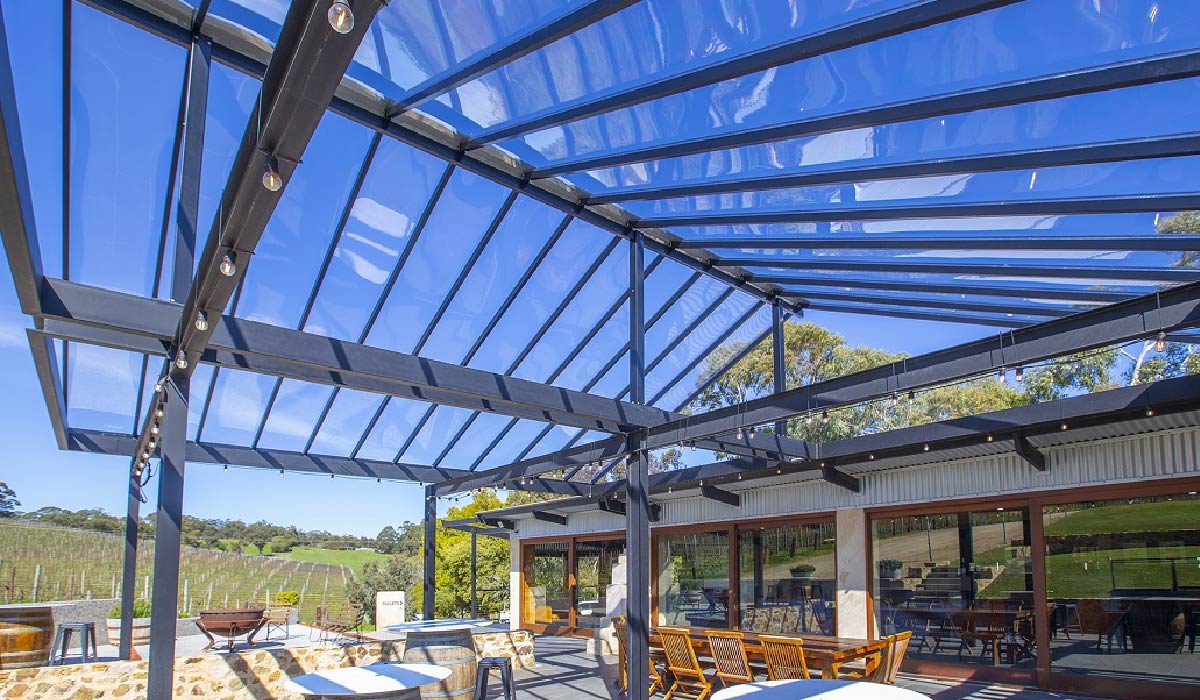
Polycarbonate is a highly versatile thermoplastic polymer widely recognised for its incredible impact resistance, but its role in modern architecture and outdoor design extends significantly to optimising light flow.
In outdoor spaces across the UK, polycarbonate is a favoured material for everything from conservatories and commercial roofing to garden structures and protective screens. Its unique optical properties allow designers to control, diffuse, and transmit natural light more effectively than traditional materials like glass or other plastics.
Here is an in-depth examination of how polycarbonate strategically enhances light flow in outdoor environments.
Superior Light Transmission and Clarity
A high-quality polycarbonate sheet can offer outstanding transparency, making it an excellent choice where maximising natural daylight is the primary goal.
High Transparency
High-grade, clear polycarbonate can transmit up to 90% of visible light, a figure comparable to glass. This ensures that enclosed outdoor spaces, such as lean-to roofs or covered walkways, remain bright and welcoming without the need for excessive artificial lighting during the day.
UV Protection
Critically, polycarbonate naturally blocks harmful ultraviolet (UV) radiation while still allowing beneficial visible light through. This protects people, plants, and furnishings underneath from sun damage and fading, extending the comfortable use of the outdoor area.
Light Diffusion and Glare Reduction
While glass can create harsh spots of sunlight and glare, certain forms of polycarbonate are engineered to diffuse light evenly across a wide area.
Multiwall polycarbonate (which has internal channels or flutes) and embossed or opal (translucent) sheets are excellent diffusers. As light passes through the structure, it is scattered, eliminating harsh shadows and bright spots.
This diffusion is particularly useful in spaces like greenhouses, conservatories, or covered patios where consistent, soft lighting is necessary for comfort or plant health. It prevents the rapid temperature build-up and glare associated with direct sunlight entering a space.
Structural Strength Facilitates Open Design
The incredible strength-to-weight ratio of polycarbonate allows for large, expansive glazed areas with minimal structural support, ensuring light is not obstructed by heavy frames.
- Minimal Framing: Due to its lightweight and high impact resistance (polycarbonate is virtually unbreakable), architects can use slimmer, less intrusive framing systems than those required for heavy, fragile glass panels.
- Maximising Aperture: This minimal framing maximises the available aperture for light entry, ensuring a near-uninterrupted flow of natural light into the structure, creating an airy and open feel in any outdoor enclosure.
Thermal Insulation for Consistent Comfort
While not directly related to light flow, the thermal properties of polycarbonate are essential for maintaining the comfort required to enjoy the enhanced light in an enclosed space. Multiwall polycarbonate sheets trap air within their layers, creating a highly effective thermal barrier.
This insulation helps prevent excessive heat loss in winter and reduces the solar heat gain effect in summer compared to single-pane glass. By keeping the enclosed area at a more consistent and comfortable temperature, users are encouraged to spend more time in the well-lit space.
In Summary
Polycarbonate is an indispensable material for enhancing light flow in modern outdoor structures. Its unique combination of high transparency, superior light diffusion, lightweight structural strength, and thermal efficiency allows designers to create bright, safe, and comfortable external areas that maximise the use of natural light.
For More Information, Visit Megamgazine