
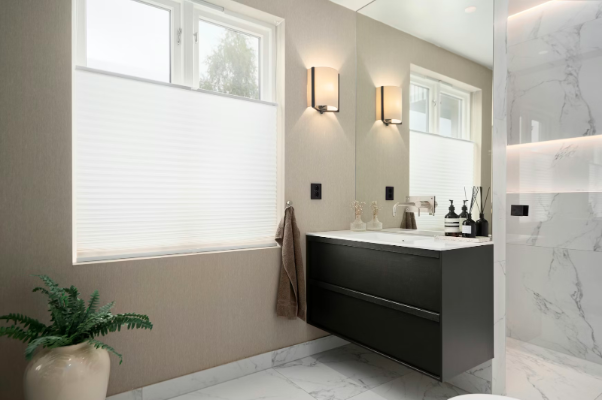
When designing a modern bathroom, one of the key decisions homeowners face is choosing the right vanity. The bathroom vanity is not just a functional piece; it’s a focal point that sets the tone for the entire space. In contemporary design, two styles dominate: floating vanities and freestanding vanities. Understanding their differences, benefits, and considerations will help you select the ideal piece for your bathroom.
Understanding Contemporary Bathroom Vanities
A contemporary bathroom vanity blends clean lines, functional design, and modern materials. Whether you prefer minimalist aesthetics or bold statement pieces, a contemporary bathroom vanity offers the flexibility to enhance your space while providing essential storage. Among contemporary options, floating and freestanding vanities are the most popular choices, each offering unique advantages.
What Is a Floating Vanity?
A floating vanity, as the name suggests, is mounted directly on the wall with no contact with the floor. This design creates a sleek, open look, making the bathroom feel more spacious and airy. Floating vanities are typically crafted from modern materials such as engineered wood, lacquer, or metal, often paired with stone or composite countertops.
Key Benefits of a Floating Vanity:
- Enhanced Space Perception
By keeping the floor visible, floating vanities create the illusion of a larger bathroom, making them perfect for smaller or medium-sized spaces.
- Modern Aesthetic
The clean lines and minimalist design of floating vanities perfectly complement contemporary or modern bathrooms, offering a sophisticated look.
- Ease of Cleaning
With no legs touching the floor, cleaning beneath the vanity is effortless, reducing the accumulation of dust and moisture.
- Customizable Height
Floating vanities can be installed at any height, making them ideal for tailoring to your comfort level or family needs.
Considerations Before Choosing a Floating Vanity:
- Installation Requirements: Floating vanities require a sturdy wall for secure mounting, which may involve additional reinforcement.
- Storage Limitations: While sleek, floating vanities usually provide less storage than larger freestanding units.
- Cost: Depending on materials and installation, floating vanities can be pricier than their freestanding counterparts.
What Is a Freestanding Vanity?
Freestanding vanities rest directly on the floor and often feature four legs, resembling traditional furniture pieces. This style bridges classic charm and contemporary elegance, offering a versatile option for various bathroom sizes and designs. Freestanding vanities come in a wide range of materials, finishes, and countertop options.
Key Benefits of a Freestanding Vanity:
- Abundant Storage Options
With larger cabinets and drawers, freestanding vanities provide significant storage space for toiletries, towels, and bathroom essentials.
- Design Versatility
Freestanding vanities suit contemporary, transitional, or even traditional bathrooms, thanks to their wide variety of shapes, finishes, and styles.
- Ease of Installation
Since they rest on the floor, freestanding vanities generally require simpler installation compared to floating models.
- Statement Piece Potential
With intricate detailing, unique finishes, or bold colors, a freestanding vanity can serve as the centerpiece of your bathroom design.
Considerations Before Choosing a Freestanding Vanity:
- Floor Space Requirement: These vanities occupy more floor space, which may not be ideal for small bathrooms.
- Cleaning Challenges: The area beneath the vanity can be harder to clean, especially for larger units.
- Style Fit: While versatile, some freestanding designs may feel bulky in ultra-modern, minimalist bathrooms.
Floating vs. Freestanding: Which Contemporary Bathroom Vanity Fits Your Home?
When choosing between a floating or freestanding vanity, consider the following factors:
- Bathroom Size: Floating vanities are ideal for smaller bathrooms or powder rooms, while freestanding vanities work well in spacious layouts.
- Storage Needs: If storage is a priority, freestanding vanities typically offer more space. For minimalist storage, a floating vanity suffices.
- Design Style: Floating vanities complement sleek, modern interiors, while freestanding options can add warmth and character.
- Maintenance Preferences: Consider ease of cleaning; floating vanities simplify floor cleaning, whereas freestanding designs require a bit more effort.
- Installation and Budget: Floating vanities may require professional installation and wall reinforcement, impacting cost, whereas freestanding vanities are easier to set up.
Tips for Styling Your Contemporary Bathroom Vanity
- Match Materials: Coordinate your vanity material with your countertops, fixtures, and cabinetry for a cohesive look.
- Use Mirrors Wisely: A stylish mirror above the vanity enhances functionality and adds visual depth.
- Lighting Matters: Pair vanities with modern LED or pendant lighting to create an inviting ambiance.
- Color Coordination: Opt for neutral tones for a timeless look, or bold hues for a dramatic contemporary statement.
Conclusion
Choosing the right contemporary bathroom vanity is about balancing functionality, style, and space. Floating vanities provide a modern, minimalist appeal, perfect for small to medium bathrooms, while freestanding vanities offer versatile storage and design freedom suitable for larger spaces. By assessing your space, storage needs, and design preferences, you can select the vanity that elevates your bathroom’s aesthetic and practicality.
If you are a homeowner or contractor looking for high-quality bathroom vanities and complete home solutions, OPPOLIA is your ideal partner. With expertise in bathroom vanities, custom cabinets, wardrobes, furniture, aluminium windows, and interior doors, OPPOLIA provides reliable and stylish solutions tailored for every project. Learn more about OPPOLIA Home collections and transform your bathroom today!